Words from
behind the lens.
Photography, filmmaking, and the creative industry — written by Justin Viens.
Differentiation
Most campaigns still treat photography and film as two different hires, two different visions, and two different aesthetics.
The result? Work that feels disjointed. The stills live in one world. The motion lives in another. The audience feels the gap.
The campaigns that are winning right now are the ones where one director’s eye shapes both.
When the same person who lights and composes the hero still is also directing the brand film, something powerful happens:
The color language stays consistent.
The emotional tone never breaks.
Every asset feels like it belongs to the same story.
Creative directors get one less thing to manage and one stronger visual world to present.
This isn’t about convenience. It’s about impact.
A single cinematic vision across still and motion creates cohesion that makes campaigns feel more premium, more intentional, and more memorable. It also gives agencies and brands a higher volume of usable assets from one aligned creative mind.
In 2026, when attention is scarce and sameness is everywhere, that cohesion is a competitive advantage.
The lens doesn’t change when we move from still to motion. Neither does the intention.
What Creative Directors Actually Want from a Visual Partner in 2026
Creative directors have one of the hardest jobs in the room. They’re translating strategy into feeling, managing multiple stakeholders, and fighting for work that actually moves the needle.
When it comes to choosing a visual partner, here’s what matters most in 2026:
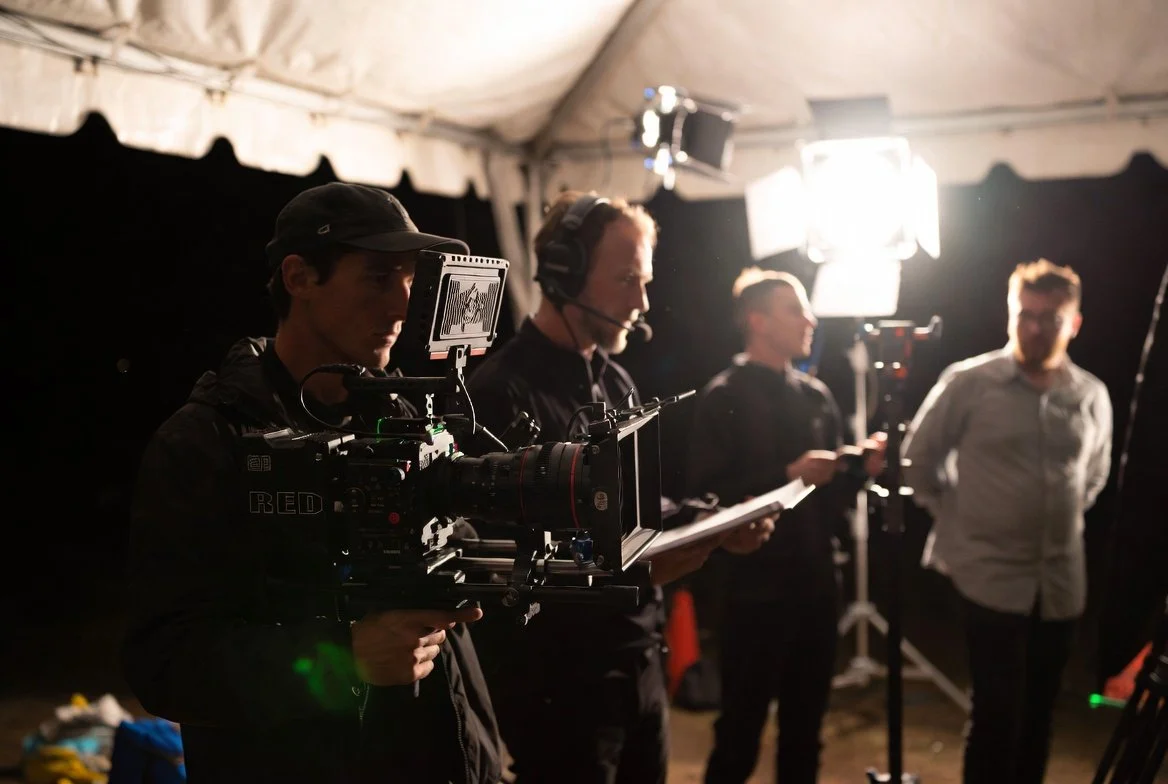
They want collaboration, not just execution. The best partners don’t just take direction — they understand the brief deeply, bring smart ideas, and protect the emotional core of the project.
They want consistency across still and motion. Treating photography and film as two separate worlds creates friction. The strongest campaigns feel like one visual language.
They want pre-production that actually does the heavy lifting. The shoot is often the shortest part. The real work happens in discovery, mood boards, location as character, and aligning on what needs to be felt.
They want someone who builds a world, not just pretty pictures. A distinctive point of view. Confidence in the edit. The ability to deliver a high volume of usable assets without losing the soul of the campaign.
At JarinV, this is exactly how we work. One director’s eye. One vision. From the first conversation through final delivery, whether the output is editorial photography, cinematic brand film, or both.
When the visual partner thinks like a creative director (and shoots like one), everything gets easier. The work gets stronger. And the campaign actually feels like the brand.
Looking for a visual partner who collaborates like part of the creative team?

Why So Many Brand Campaigns Feel Interchangeable in 2026 — And What Actually Cuts Through
The best campaigns don’t just look good. They feel like something the moment someone scrolls past them.
Yet in 2026, so many brand campaigns still blend together. Polished but forgettable. Beautiful but interchangeable. High production value that somehow fails to create a real connection or stop the scroll.
This isn’t a talent problem. It’s an approach problem.
When every campaign leans on the same safe formulas, safe lighting, and safe compositions, the result is visual noise. Creative directors and agencies feel it. Brands feel it when the work doesn’t perform the way the brief promised.
What actually cuts through right now is work with cinematic intention.
Not just “cinematic lighting” as a trend, but a full approach: treating every frame — still or moving — as part of a larger emotional story. Location as character. Light that serves feeling first. A unified vision that makes photography and film feel like they belong to the same world.
That’s the difference between visuals that decorate a campaign and visuals that become the campaign.
When the work has that level of intention, people don’t just see it. They feel it. And feeling creates memory, shareability, and conversion.
If your current visuals could be swapped with another brand’s without anyone noticing, that’s the signal. It’s time for work that feels unmistakably yours.

Ready for visuals that don’t blend in?
One Vision. Every Medium. My Cinematic Process from Still to Motion
The same eye. The same intention. Here’s exactly how I approach every editorial photography and film project — from the first conversation to campaign-ready deliverables that stop the scroll and shift perception.
The best work doesn’t happen when I pick up the camera. It happens long before that.
Every project at JarinV starts with the same question: What needs to be felt here? That single question shapes everything that follows — whether I’m creating editorial brand photography, a cinematic brand film, or both.
Because the truth is simple: the lens never changes. The eye I use to direct a still frame is the same eye I use to direct a scene. Technical precision always serves emotion.
Here’s how that actually plays out from start to finish.
It Always Starts with Conversation
Before any mood board or shot list, we talk.
I want to understand what this brand, this person, or this story actually needs the world to feel. Not just what it should look like — what it should feel like when someone scrolls past it or watches it.
This is where we define the emotional core. Everything else — lighting, location, talent direction, pacing — flows from that.
Pre-Production Is Where the Real Work Happens
This is the phase most people never see, and it’s often the most important.
We build a clear creative direction together. That includes:
Deep discovery around the brand or talent’s identity
Mood boards and visual references that align on feeling, not just aesthetics
Location scouting with intention (location is never just a backdrop — it becomes part of the story)
Wardrobe, talent direction, and lighting concepts built around the emotion we’re chasing
Shot lists and storyboards that serve the larger vision
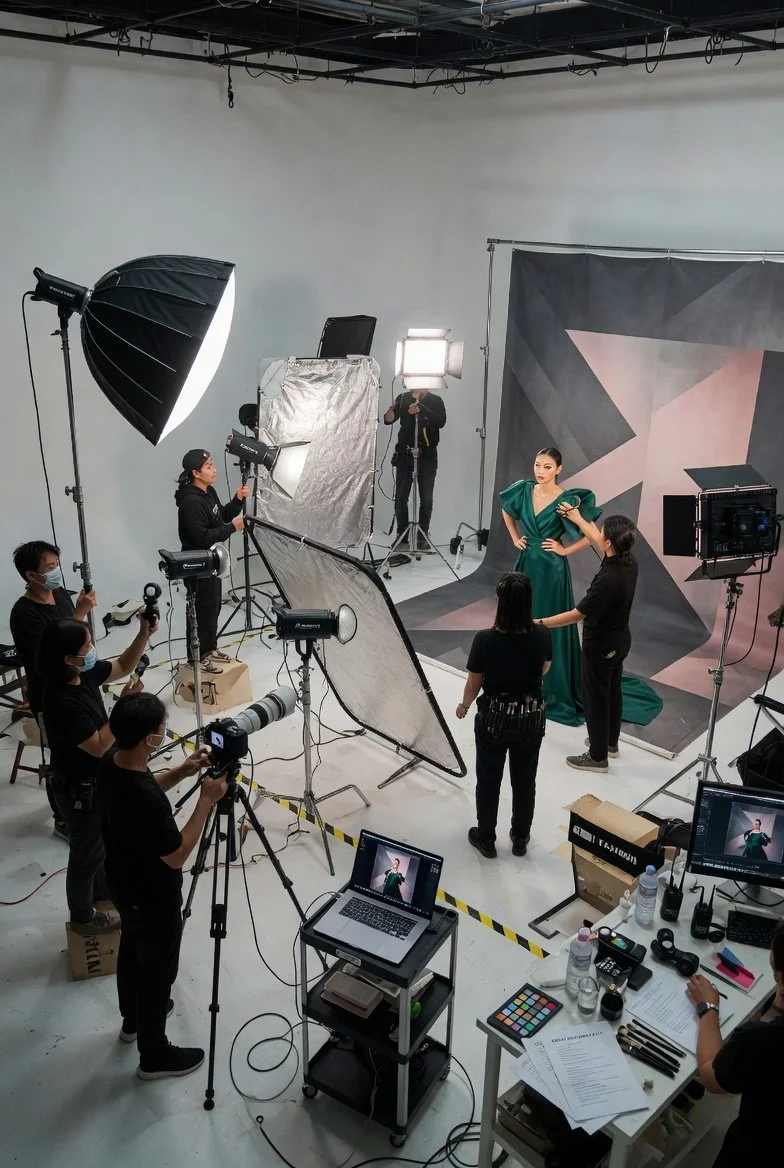
When we move into photography and film on the same project, this phase ensures both mediums speak the same language from day one.
On Set: Precision in Service of Emotion
Once we’re rolling or shooting, the approach stays consistent.
I direct with the same eye whether I’m working with the Canon EOS R5 or RED Cinema. Every frame is considered. Light is shaped with purpose. Talent is guided toward something real rather than performed.
I’m not chasing perfection. I’m chasing truth — the version of the person or brand that feels honest, elevated, and unmistakably them.
For brand campaigns, we often capture both stills and motion in the same window. Because the vision is unified, the assets feel cohesive instead of like two separate productions.
Post-Production & Delivery
The work continues after we wrap.
I personally oversee the edit and color to protect the emotional intent we established at the start. Selects are delivered in your brand’s visual language, fully retouched and ready for campaign use. You receive full commercial usage rights along with the files.
When motion is involved, the same principles apply — cinematic pacing, intentional sound design where needed, and a final piece that feels like it belongs with the photography.
The goal is simple: deliverables that don’t just document the project. They perform.
Why This Process Matters
When clients hire me, they’re not just getting beautiful images or well-shot film. They’re getting a unified vision executed with care from the first conversation to final delivery.
That consistency is what creates scroll-stopping work. It’s what makes a brand feel distinctive instead of interchangeable. And it’s why the same creative eye can move seamlessly between a quiet editorial portrait and a cinematic brand film.
The process exists to protect the feeling we set out to create — and to make sure the final work actually serves the client’s goals.
In Their Words
“The pre-production process alone was more thorough than any photographer I’ve worked with. He treats every shoot like it matters, because to him, it clearly does.”
— Josh B., DoW
Ready for work that feels intentional from the first frame?
Whether you need editorial brand photography, cinematic film, or both — let’s start the conversation.
Request a Proposal → Or reach out directly: hello@jarinv.com
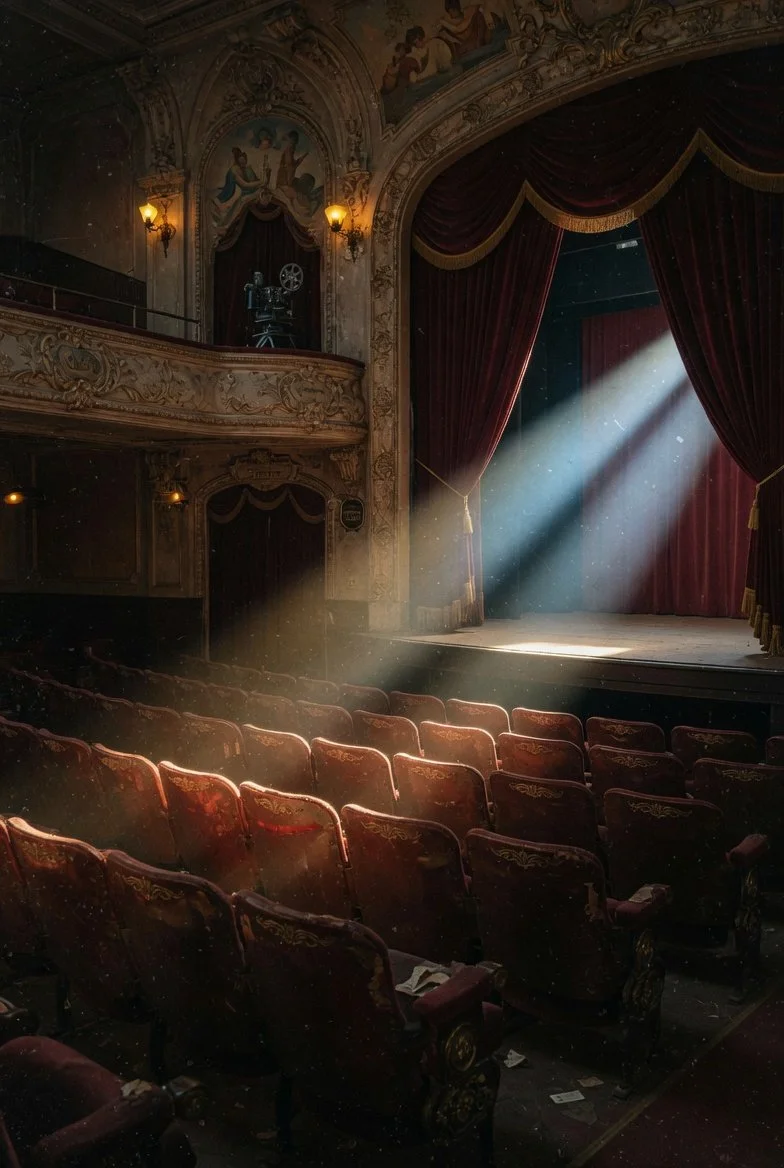
The Power of Feeling Over Showing
Cinematic interior of a historic 1929 movie theater with dramatic shafts of golden light piercing through heavy velvet curtains onto empty ornate seats, dusty film grain atmosphere, and nostalgic emotional mood.
More than anything, I want to be the difference between being shown something and being compelled to feel it.
I grew up in a small town with one treasure: a 1929 cinema theater straight out of Hollywood's Golden Age. Ornate ceilings, velvet curtains that smelled of popcorn and possibility, and that single beam of light slicing through the darkness like a promise.
I wasn't captivated by the movies on the screen — the plots, the dialogue, the stars. I was mesmerized by how they made me feel. The way light sculpted faces. The stillness between frames. The way one perfectly composed image could hold more truth about a person than an entire conversation ever could.
That kid in the balcony seat is the same person behind the lens today. And that single truth has become the foundation of everything I create at JarinV: Photography and filmmaking are not about showing people what something looks like. They are about compelling them to feel something before they've read a single word or heard a single note.
The Contrast That Defines My Work
More than anything, I want to be the difference between being shown something and being compelled to feel it.
You've seen the technically perfect images — sharp, well-exposed, Instagram-ready. They impress the eye for three seconds and then vanish from memory.
Then there are the cinematic ones. The ones where the light feels heavy, where the shadows whisper secrets, where the subject's gaze pulls you into their world. Those are the frames that stop scrolls. That make brands unforgettable. That make people book the session, buy the product, or simply pause and breathe deeper.
This isn't magic. It's intention.
Every project at JarinV begins with one question I ask the client (and myself): What needs to be felt here?
Not "What should this look like?" or "What gear should we use?" or even "What's the concept?"
The feeling comes first. Everything else — location, light, talent direction, lens choice, post-processing — serves that single emotional truth.
Why Technical Perfection Alone Fails
Early in my career, I fell into the trap so many photographers do. I obsessed over sharpness, dynamic range, perfect histograms. I could light a portrait so flawlessly it looked like a magazine ad.
But something was missing. The images were correct, but they didn't connect.
It wasn't until a destination shoot in the red canyons of Sedona that it clicked. I had the perfect golden hour light, a stunning model, top-tier Canon R5 Mark II in hand. The technicals were flawless. But the frames felt empty.
I stopped. I asked myself the question again: What needs to be felt here?
The canyons weren't just a backdrop. They were ancient, patient, slightly intimidating in their scale. The model wasn't posing for beauty — she was a wanderer confronting something bigger than herself.
I shifted everything. I let the light fall differently. I directed smaller, more vulnerable movements. I waited for the wind to move her hair just so. The resulting images didn't just look cinematic — they felt like a story unfolding in real time.
That lesson has repeated on every major project since: with editorial for Vogue and Elle, brand films for clients like Dior and REI, executive portraits for founders who needed to look not just successful, but human.
"What Needs to Be Felt Here?" — Your New Pre-Shoot Ritual
I want you to steal this. It's the single most powerful tool in my workflow, and it costs nothing.
Before you pick up your camera — whether it's for a paid client, a personal travel series, or even your kid's soccer game — pause and answer:
What is the core emotion of this moment or story? (Longing? Power? Quiet joy? Tension? Belonging?)
How would that emotion look if it were a character in a film? (Does it move slowly? Does it hide in shadows? Does it explode in warm light?)
What elements in the scene already support or contradict that feeling? (The harsh midday sun might fight melancholy — use it anyway for contrast, or wait for golden hour.)
What single adjustment (light, angle, expression, timing) would amplify it most?
Do this for five minutes. Write it down if you need to. Then shoot.
I guarantee your hit rate of "keepers" that actually move people will skyrocket.
Three Exercises to Train Your Emotional Eye This Week
Exercise 1: The Feeling Walk (30 minutes) Grab your phone or any camera. Walk around your neighborhood or a local park. For every 10 frames, stop and name the dominant feeling of that exact spot before you shoot. Then capture only what serves it. Delete the rest. Review: Which images still make you feel something 24 hours later?
Exercise 2: The Single-Frame Story Choose one location (your kitchen, a street corner, a trailhead). Shoot the same scene 20 different ways, but each time with a different intended emotion: serenity, unease, nostalgia, excitement, isolation. Don't change the subject — just light, angle, timing, and your own presence. This trains you to see the invisible.
Exercise 3: The "Why" Audit Pull 10 of your favorite images from the last year. For each, write one sentence: "This image makes me feel ___ because ___." Look for patterns. That pattern is your emerging voice. Lean into it harder.
The Jarinv Difference: One Vision, Every Medium
This philosophy is why I treat still photography and motion picture filmmaking as the exact same craft. The lens never changes. Whether I'm directing a 60-second brand film on RED Cinema cameras or capturing an editorial portrait on my Canon R5, the question remains identical: What needs to be felt?
It's why clients return — models like Rainee Wright who felt truly seen rather than posed, executives who finally had images that matched the weight of their vision, agencies who needed content that didn't just fill a feed but stopped thumbs mid-scroll.
And it's why I travel anywhere a great story lives — from the streets of London to the coasts of California to the canyons of five countries. Because every place has its own emotional signature waiting to be revealed.
Your Next Frame Starts Here
The cinematic life isn't about buying more gear or chasing trends. It's about slowing down long enough to feel first, then create.
If this resonates — if you've ever looked at one of your images and thought, "It looks good... but it doesn't feel like I hoped" — then you're already on the path.
Over the next 10 weeks, I'm going to walk you through every layer: light, composition, storytelling, travel, portraits, filmmaking, production, post, business, and legacy. By the end, you'll have a complete cinematic mindset and toolkit.
But it all begins with this: Feel first. Show second.
Ready to bring this philosophy to your own story?
Whether you're a brand needing campaign imagery that actually moves people, a founder or model seeking editorial portraits that feel like fine art, or planning a destination shoot that captures the soul of a place — I'd love to collaborate.
Follow along on Instagram @_jarinv where 26,000+ creatives get daily doses of cinematic inspiration and behind-the-scenes process.
And if you found value here, hit reply or comment below — your questions shape the rest of this series.
What needs to be felt in your next frame?
— JarinV

What makes a photograph captivating?
Photography is more than just snapping a picture—it’s an art form that captures the essence of a moment, a story, or an emotion. Whether you’re seeking a high-fashion editorial image or a personal portrait, understanding what makes a photograph captivating is essential for photographers and clients. Let’s explore the elements that transform a simple photo into a masterpiece.
1. Emotion and Connection
A truly captivating photograph evokes emotion and establishes a connection with the viewer. Emotion creates a bond, whether it’s the subtle smile of a subject in a high-end portrait or the powerful gaze of a model in an editorial shoot. Great photographers know how to bring out genuine expressions that resonate with audiences.
Keyword Insight: Captivating photos, emotional connection, high-end portraits.
2. Composition and Balance
Composition is the backbone of any stunning photograph. The rule of thirds, leading lines, and framing contribute to how the subject is perceived. Thoughtful composition ensures that the viewer’s attention is drawn to the image's focal point. In professional headshots, for instance, the balanced composition can highlight the subject’s features, while in travel and destination shoots, it can capture the grandeur of the setting.
Keyword Insight: Composition in photography, professional headshots, editorial-style portraits.
3. Lighting and Shadows
Lighting can make or break a photograph. Whether using natural light or a complex studio setup, how light interacts with the subject can add depth and dimension. For editorial photography and high-fashion shoots, dramatic lighting is often used to create a captivating mood. Using shadows can further enhance this effect, adding mystery and intrigue.
Keyword Insight: Dramatic lighting, high-fashion photography, studio photography.
4. Storytelling
Every captivating photograph tells a story. The story could be about a journey or experience in travel and destination shoots. Styled family or couple portraits are about capturing the bonds and shared moments. The narrative behind an image draws the viewer in and gives the photograph a lasting impact.
Keyword Insight: Storytelling in photography, travel photography, and family portraits.
5. Attention to Detail
Details matter, especially in high-end portraits and professional shoots. From the way a model’s hair is styled to the placement of hands or subtle elements in the background, everything contributes to the final image. Editorial and high-fashion photographers often use meticulous attention to detail to elevate their work, making each shot memorable.
Keyword Insight: Attention to detail in photos, high-end photography, and professional editorial shoots.
6. Authenticity
A photograph that feels genuine is more likely to captivate an audience. Authenticity is vital when working on an editorial-style family portrait or a professional headshot. This comes from the comfort and trust between the photographer and the subject. When subjects feel at ease, their true personalities shine through, resulting in more engaging photos.
Keyword Insight: Authentic photography, professional headshots, engaging portraits.
Conclusion
What makes a photograph captivating goes beyond technical skills. It combines emotion, composition, lighting, storytelling, attention to detail, and authenticity. Whether you’re looking for a high-fashion editorial, a travel shoot, or a professional headshot, these elements set apart an ordinary photo from a truly compelling one. At JarinV, we ensure each shot embodies these principles, creating timeless and captivating images for every client.

The Canon R5 Mark II: Elevating Photography to New Heights
"The Canon R5 Mark II isn’t just another camera; it’s a tool that empowers photographers to push the limits of their creativity. With its cutting-edge sensor, enhanced autofocus, and robust build, the R5 Mark II is designed for photographers who demand the best in image quality and performance."
In the ever-evolving world of photography, staying ahead of the curve means keeping up with the latest tools and technology. Enter the Canon R5 Mark II, a camera that’s not just an upgrade but a true game-changer for photographers. Whether you’re a seasoned pro or an enthusiastic hobbyist, the R5 Mark II offers features that will elevate your craft and open new creative possibilities. Let’s dive into what makes this camera a must-have for photographers in 2024.
1. Stacked BSI Sensor: Unmatched Image Quality
One of the standout features of the Canon R5 Mark II is its new Stacked BSI (Back-Side Illuminated) sensor. This advanced sensor design allows for faster readout speeds and significantly reduces rolling shutter effects, which means sharper, clearer images even in fast-paced shooting environments. For photographers, this translates to stunning image quality with greater detail, even in challenging lighting conditions.
2. Canon Log 2: Perfect for Hybrid Shooters
For those who straddle the line between photography and filmmaking, the Canon R5 Mark II’s introduction of Canon Log 2 is a game-changer. This log profile expands the dynamic range, giving photographers greater flexibility in post-processing. Whether you’re capturing stills or video, Canon Log 2 ensures you retain maximum detail in both highlights and shadows, making it ideal for those who want to push the boundaries of their creativity.
3. Enhanced Autofocus: Precision at Its Best
Autofocus is a critical feature for any photographer, and Canon has taken it to the next level with the R5 Mark II. The enhanced Dual Pixel CMOS AF II system offers faster and more accurate autofocus, with improved subject detection capabilities. Whether you’re shooting portraits, wildlife, or sports, the R5 Mark II locks onto your subject with ease, ensuring you never miss the perfect shot.
4. Burst Shooting: Capture Every Moment
When it comes to capturing fleeting moments, speed is of the essence. The Canon R5 Mark II offers an impressive burst shooting capability, allowing you to shoot at up to 30 frames per second with the electronic shutter. This makes it an excellent choice for action photography, where every split second counts. Whether you’re photographing a fast-paced sports event or wildlife in motion, the R5 Mark II ensures you’re always ready to capture the moment.
5. Build and Design: Robust Yet Comfortable
Canon has maintained the robust build quality that photographers have come to expect, while also refining the ergonomics for better handling. The R5 Mark II is weather-sealed, making it reliable in various shooting conditions, whether you’re out in the field or in the studio. The intuitive button layout and responsive touchscreen make it easy to adjust settings on the fly, ensuring you’re always ready for the next shot.
6. Connectivity and Workflow: Seamless Integration
In today’s digital age, workflow efficiency is key. The Canon R5 Mark II offers advanced connectivity options, including Wi-Fi, Bluetooth, and USB-C, ensuring that your images can be quickly and easily transferred to your devices. Whether you’re shooting tethered in the studio or sending images straight to your smartphone for immediate sharing, the R5 Mark II integrates seamlessly into any photographer’s workflow.
7. Conclusion: Is the Canon R5 Mark II Right for You?
The Canon R5 Mark II isn’t just another camera; it’s a tool that empowers photographers to push the limits of their creativity. With its cutting-edge sensor, enhanced autofocus, and robust build, the R5 Mark II is designed for photographers who demand the best in image quality and performance. Whether you’re capturing stunning landscapes, dynamic action shots, or cinematic portraits, this camera will not only meet your expectations but exceed them.
If you’re looking to take your photography to the next level, the Canon R5 Mark II is an investment worth considering. Its blend of advanced technology, user-friendly design, and unparalleled image quality make it a standout choice in the crowded field of professional cameras. So, are you ready to elevate your photography with the Canon R5 Mark II?

The Value of Professional Photography: A Wise Investment for Unforgettable Moments
In an age where everyone has a camera in their pocket, capturing moments has become more accessible than ever. With the rise of affordable smartphones and entry-level DSLRs, the allure of choosing a cheaper option for photography needs is understandable. However, there's a distinct and invaluable difference when it comes to hiring a professional photographer versus opting for budget-friendly alternatives.
1. Craftsmanship and Expertise:
A professional photographer brings a wealth of experience and expertise to the table. They have honed their craft through years of training and hands-on practice, ensuring that each shot is meticulously composed. From understanding lighting conditions to framing the perfect shot, their skills go beyond the point-and-shoot capabilities of amateur photographers.
2. Quality of Equipment:
Professional photographers invest in top-notch equipment to deliver exceptional results. High-resolution cameras, specialized lenses, and professional-grade lighting equipment contribute to the production of images that stand out in terms of clarity, detail, and color accuracy. This level of quality is often challenging to replicate with consumer-grade devices.
3. Creative Vision:
Photography is not merely about capturing images; it's about telling a story through visuals. Professional photographers have a keen eye for composition and an innate ability to translate emotions into images. They bring a creative vision to every project, ensuring that each photograph is a work of art that resonates with the intended message or emotion.
4. Professional Editing and Post-Production:
The artistry of professional photography extends beyond the click of the shutter. Skilled photographers excel in post-production, employing advanced editing techniques to enhance and refine images. From color correction to retouching, their attention to detail ensures that the final product is polished and visually stunning.
5. Reliability and Consistency:
When you hire a professional photographer, you are not just paying for their time during the photo shoot. You are investing in a reliable partner who understands the importance of deadlines and delivers consistent, high-quality results. This level of professionalism is often lacking in less experienced or part-time photographers.
6. Tailored Approach:
Every photography project is unique, and a professional photographer recognizes the importance of tailoring their approach to meet the specific needs and preferences of their clients. They take the time to understand the desired outcome, ensuring that each session is personalized and meaningful.
7. Investment in Memories:
Professional photography is an investment in preserving memories for a lifetime. Whether it's capturing the joy of a wedding, the innocence of childhood, or the success of a business event, these moments are irreplaceable. Investing in a professional ensures that these memories are captured and presented in a way that stands the test of time.
Conclusion:
While budget-friendly options may seem appealing initially, the true value of professional photography lies in the unparalleled expertise, creativity, and commitment to excellence that professionals bring to the table. When it comes to capturing the moments that matter most, hiring a professional photographer is not just an expense—it's a wise investment in preserving the beauty and significance of life's fleeting moments.

AI Created Art
Contreversial Lensa App… Is AI created Art Theft and a threat to creatives?
All across the world of the internet decries of contreversial statements are in play when it comes to AI created art. If you haven’t noticed, people are up in arms over a popular app called Lensa. The app, designed to be a fun way of taking personal images and turning them into works of art, literally. After uploading several selfies, the app produces your likeness in a myriad of images such as a superhero, or other neat poses. So why is there so much hostility towards the app?
Behind the application, lay a much more sinister accusation surrounding the data used to teach the AI how to create the artistic images. And this is where the controversy is inserted. Some have claimed that Lensa, and the powered software used or uses others art to learn without their assumed permission. Thus, bringing into question the legality of copyrighted images. The app uses sourced images to continuously learn and improve, but without giving due credit or even full on permission. In some posts, the app has been shown to display its works with the original artists signature embedded. Is it stealing? It certainly has raised the ethical question of just how far should AI go.
At this moment in time, it is my opinion more is needed to understand the brain power behind the neural engine. Where are these images truly being sourced from and Lensa should be transparent about their AI. If its copying or using others works without permission then yes, it’s a clear violation. At no time should a computer create images or the likeness of an image based on the works of other professionals. Now, if it’s taking images from users who have consented, then I see nothing wrong and am quite impressed by the crafting power of an AI system.
It certainly is a testament to how far we have and continue to push technology. Like anything, we future proof ourselves when we create efficient systems to help us through out daily living. It begs the question, though, is it infringing on creative artists? As a professional artist myself, the jury is still out.

Power of photography
Memories eventually fade into black over time.
If you wouldn't mind, close your eyes for a moment. Remember a time you held a photograph in your hand. Maybe the picture was a loved one that has since passed on, or it was an adventure you were on with your close friends. Can you imagine yourself back there or with that person? Are the smells and sounds coming back too? Imagery is powerful enough to overflow us with those emotions we once felt. Photographs materialize memories into something physical.
If we have learned anything in these past few years of this pandemic, it's the void of human connection. We've missed out on family gatherings, time with friends, and simply being around people. I have heard numerous stories of grandparents missing births, parties, and family gatherings during this pandemic. At that same time, some have lost loved ones. Photographs have breathed life into those missed connections. Pictures have given our loved ones the possibility to experience with us those special moments in life, without words.
Most of us long for that time back, and we always want more time. If only we could capture those moments.
Well, that's where the force of photography enters the frame. Hiring a professional to capture those moments is timeless, making it worth the investment. Having images of your family and friends keeps us connected, and it allows us to live the RAW emotional feelings again, just as a good book carries us to a distant world. Life, while remarkable, is short, and we have only so many chances to treasure those memorable times.
Let us capture you, your family, friends, and the moments that tell your story. We invite you to invest in materializing your memories into printed works of art so that you can appreciate and share them on full display.

Convenience OVER QUALITY
Smartphone Photography was designed to create convenience, and bridge the creative gap, but never to replace professional photography.
The truth behind smartphone photography over professional grade camera and shooters.
When most people around the globe have smartphones in their pockets, photography has transitioned into convenience over quality. Many want instant validation they were present at an event, visited a landmark, or captured a moment with friends and family. Millions of those images are then uploaded to one of many social platforms to be shared. Most social platforms limit resolution and quality to keep the file sizes minimal; it doesn't make much sense to need a professional photographer at the ready.
Does that make professional photography obsolete? Indeed that is a loaded question because the professional world of photography is much more than the limited scope we discussed above. In some cases, we have opened the door for more unique photographers. Yet, smartphone photography and videography are, in no way, professional outside of the hands of a professional. Now, in no way am I discrediting the art created with smartphones. The reality is, these limited use cases are generally for sharing with friends and family and are not at the caliber of professional work, nor should they be. Some may choose to challenge this idea, but when you dive deeper, how upset would you be if a "professional" you hired arrived at your special day with only an iPhone 13 Pro. More than likely, you would be questioning their "professionalism." Yet, some beautiful work has been created using this marvelous device. However, the device is limited in its capabilities simply because its sensor and processor are much smaller than professional cameras and lenses. While I won't argue that people can create beautiful art with smartphones, I argue that the camera and equipment play a considerable influence. More importantly, the photographer's mastery paired with the camera creates quality.
Think for a moment; everyone who bears the coveted Medical Doctor (MD) has graduated Med School, residency, and other licensure and other certifications. Yet, not all doctors are created equal, and truth be told, they cannot practice in every field of medicine. A respected neurosurgeon has years of experience and surgical residency before taking to the knife. The top-tiered neurosurgeons wouldn't show up using mediocre or lesser grade medical equipment; in fact, quite the opposite. They would use state-of-the-art equipment that magnifies their talents, much in the way a photographer uses their gear to compliment their abilities. Photographers are not saving someone's life, and comparing their abilities to those of a surgeon is not on the same plateau, but you get the point I am trying to emphasize.
Smartphones, while remarkably convenient, cannot compare to the technology and specialized glass of professional-grade cameras. If that were the case, cameras would all be but non-existent. Please don't take this article as a knock on content creators. Instead, it highlights the difference between the general use of smartphones in photography and professional photography using professional-grade equipment. Ask yourself honestly, would you hire most of your friends to capture a notable moment in life (wedding, family portrait, newborn, etc.) using their smartphone? And, I'm not referring to that one "extraordinary" friend who has mastered their craft with a smartphone. A resounding no would come from nearly everyone, if not all. Professional photography is art and science beautifully paired to create exceptional work.

The truth about instagram growth
No matter how trendy people are, there isn’t a cookie-cutter growth method on instagram.
Recently, a follower reached out and asked if I could share some advice on growing an Instagram account. Now by no means am I an expert, but I have had a little success over these past few months. As I thought for a moment about how to respond, I contemplated my growth. What was it that helped? Well, let’s first clear a few things up. I know many of you can relate, but we are often subjected to the reals of others claiming they have the “sauce!” If you read their caption and follow their trendy method, you’ll grow an instant 1k, 5k, or even 25k followers. Well, I’m here to debunk that theory in some regard. However, before I begin, I should start by saying in my professional opinion. You see, I can speak from my own companies growth and marketing methods. What I am sure of is there is no one size fits all methodology. No matter how many people shout or dance and add their latest trendy music, Instagram doesn’t allow a cookie-cutter pathway. What works for one may not work for another. And that, my friend, is the hardest part of growth.
So for me, it allowed my brand to shine through and not let the follower count hold me back. I recognized early on that I had to be willing, as does most reputable business, to create a marketing plan that involved paid advertisement. I knew I was going to need help from Instagram and other companies specializing in marketing growth. Now, hold on before I get the trolls and haters saying you’re buying followers. No, not at all. I’m not talking about buying followers, and I certainly wouldn’t encourage that as a business practice. What I am referring to is using reputable growth management firms. For starters, I use a company called Kicksta. Go over and check out their website and see if they’re a good fit. Before Kicksta, I used Instagram’s own advertising to help my initial and sustainable growth by promoting my images. You have to be willing to spend a little on advertising if you hope to have future growth.
My last point is more personal. Be you. Show the world why people should fall in love with your work. After all, isn’t that a reason you became creative? You have to have work that people find interesting or worthy of following. Be consistent, engaging, and authentic. Instagram, like most social platforms, is flooded with people all competing for our attention. Don’t lose yourself, and certainly don’t fake your style. Be you all the way. The rest will follow. Sometimes you have to trust the process.